- Home
- Products
- About Us
- Services & Support
- News
- Contact Us
Views: 400 Author: Site Editor Publish Time: 2025-11-10 Origin: Site


How to Select a Flat Plate Air Diffuser for Wastewater Treatment
Wastewater Treatment Flat Plate Air Diffuser Selection Guide: A Comprehensive Analysis from Performance to Compatibility
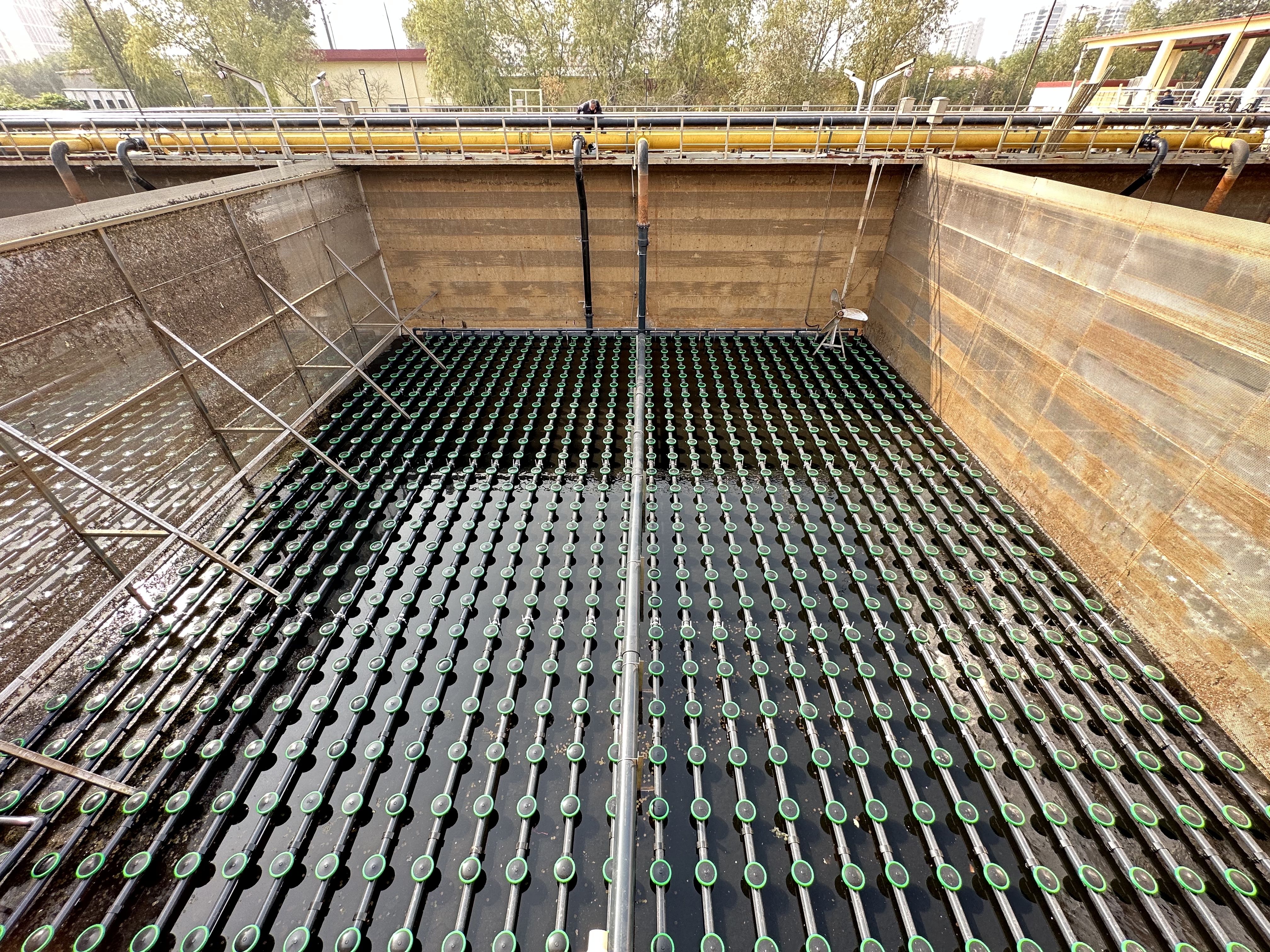
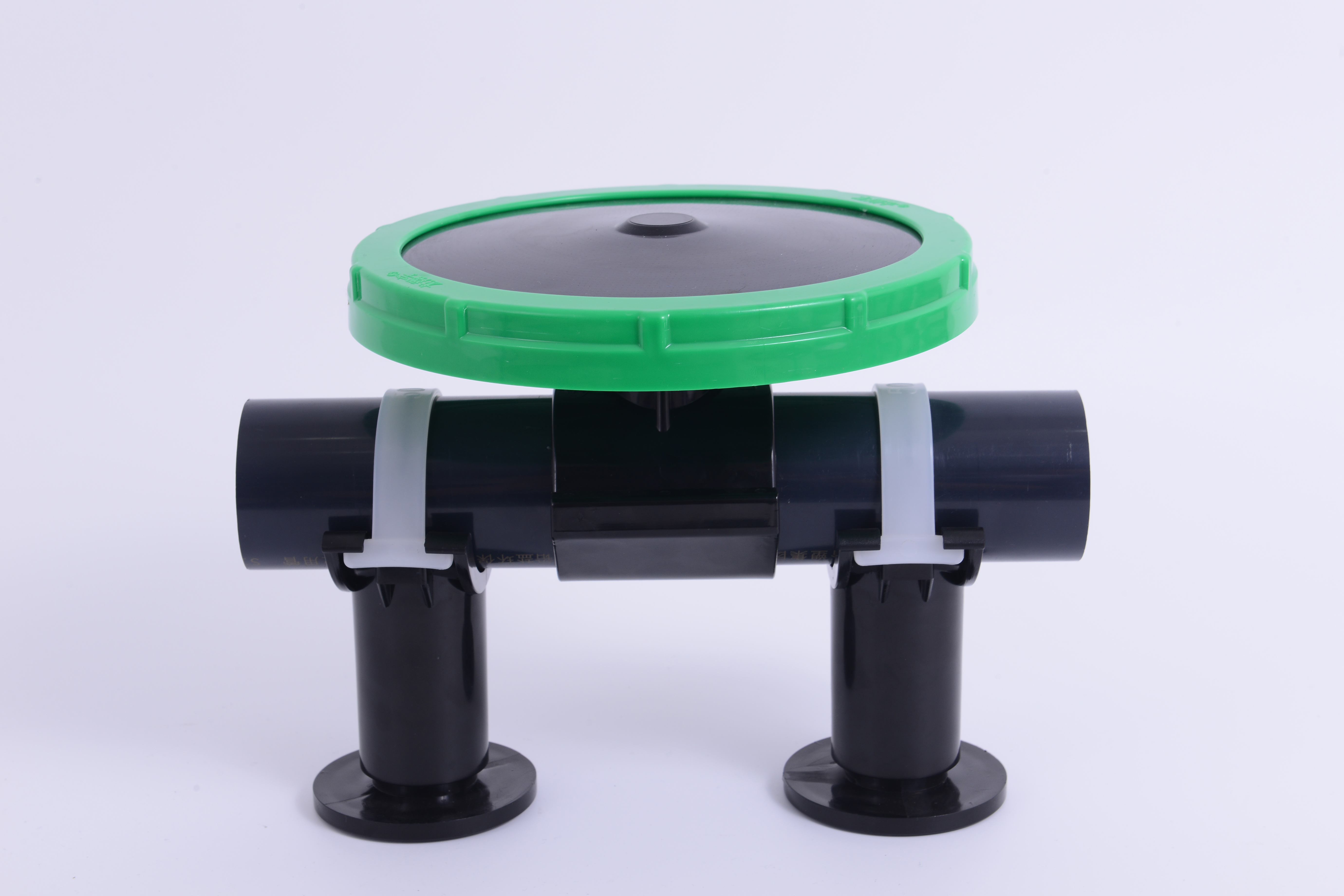
In activated sludge wastewater treatment processes, the flat plate air diffuser, as a core aeration device, directly determines oxygen transfer efficiency, operating energy consumption, and treatment effect. It releases air through micropores, providing necessary dissolved oxygen for microbial degradation of pollutants, while simultaneously creating a stirred flow to promote sludge-water mixing. Improper selection can easily lead to uneven aeration, soaring energy consumption, frequent clogging, and increased operation and maintenance costs. This article, combining the characteristics of wastewater treatment processes, constructs a comprehensive framework for flat plate air diffuser selection from core indicators, key influencing factors, selection procedures, and precautions, providing professional reference for engineering practice.
I. Core Selection Indicators: Anchoring Air Diffuser Performance Benchmarks
The selection of flat plate air diffusers must be based on core performance indicators, which are directly related to process effectiveness and operational economy, and are the primary considerations for selection.
1. Oxygen Transfer Efficiency (OTE) and Power Efficiency (AE) Oxygen transfer efficiency is the amount of oxygen transferred to water per unit mass of air, while power efficiency is the amount of oxygen transferred per unit of energy consumption. These are the core indicators for evaluating the energy efficiency of air diffusers. For municipal wastewater treatment plants, products with an OTE ≥ 20% and a power efficiency ≥ 1.8 kgO₂/(kW·h) are recommended. For industrial wastewater, due to its complex composition (e.g., containing surfactants), a pollution-resistant air diffuser with an OTE ≥ 18% is required. Note that the OTE efficiency needs to be calculated in conjunction with the aeration tank depth; for every 1m increase in water depth, the OTE efficiency can increase by 5%-8%.
2. Airflow Rate and Micropore Parameters The airflow rate per disc determines the service area of the air diffuser. The airflow rate per disc for conventional flat-plate air diffusers ranges from 1-3 m³/(h·disc), corresponding to a service area of 0.5-1.5 m²/disc. When selecting a diffuser, the number of air diffusers required per tank must be calculated based on the effective volume of the aeration tank and the design airflow. The diameter of micropores directly affects bubble size. Smaller diameters result in larger bubble surface areas and higher oxygen transfer efficiency. Micropores with diameters of 20-80 μm are typically selected; however, for industrial wastewater containing suspended particles, micropores with diameters ≥50 μm should be used to avoid clogging.
3. Compressive Strength and Service Life Flat-plate air diffusers must withstand the static pressure of the sludge-water mixture in the aeration tank. A compressive strength of ≥0.15 MPa is generally required to ensure no deformation or damage under conditions of 5-8 m water depth. Service life is closely related to the material. In municipal wastewater scenarios, high-quality products should have a service life ≥5 years; in industrial wastewater scenarios, ≥3 years is required. When selecting a model, it is necessary to request third-party testing reports on compressive strength and aging.

II. Key Influencing Factors: Matching Process and Water Quality Characteristics The selection of flat-plate air diffusers needs to go beyond single performance indicators. Factors such as the type of wastewater treatment process, water quality characteristics, and operating conditions must be considered to achieve precise matching between the equipment and the system.
1. Process Type Adaptability Different wastewater treatment processes have significantly different requirements for aeration intensity and flow regime: Conventional activated sludge processes require balanced aeration, using standard aeration discs with an aeration rate of 1.5-2.5 m³/(h·disc); Sequencing batch reactors (SBR) require periodic aeration, necessitating products with good resilience to frequent start-stop cycles, such as aeration discs made of natural rubber; oxidation ditch processes, due to their high water circulation speed requirements, require high-flow-rate air diffusers with an aeration rate of 2.0-3.0 m³/(h·disc) to enhance mixing.
2. Water Quality Compatibility Water quality is the core factor determining the selection of aeration disc materials: For municipal wastewater with stable quality, cost-effective nitrile rubber or EPDM rubber aeration discs can be used; for oily wastewater (such as catering wastewater and oil refining wastewater), fluororubber materials with excellent oil resistance are required to prevent rubber swelling and damage; for acidic or alkaline wastewater (pH≤4 or pH≥10), corrosion-resistant PTFE coating or perfluororubber materials are required; for wastewater with high suspended solids (such as papermaking wastewater), air diffusers with large pore sizes (≥60μm) and smooth surfaces are needed to reduce suspended solids adhesion and clogging.
3. Operational Adaptability For scenarios with large fluctuations in operating load (such as industrial park wastewater treatment plants), adjustable aeration discs with a wide airflow adjustment range (1-3 m³/(h·disc)) are required. Oxygen supply and demand balance under different loads can be achieved through valve adjustment. In low-temperature environments (water temperature ≤10℃), oxygen transfer efficiency decreases by 15%-20%, necessitating the selection of high-efficiency air diffusers with smaller micropore diameters (20-40μm) to compensate for oxygen transfer losses caused by low temperatures. In high-altitude areas, due to reduced atmospheric pressure, products with higher oxygen transfer efficiency are required, or the total oxygen supply can be increased by adding more air diffusers.
III. Scientific Selection Process: Closed-Loop Operation from Calculation to Verification The selection of flat-plate aeration discs must follow a closed-loop process of "parameter calculation—material matching—manufacturer screening—sample verification" to ensure scientific and accurate selection.
1. Basic Parameter Calculation
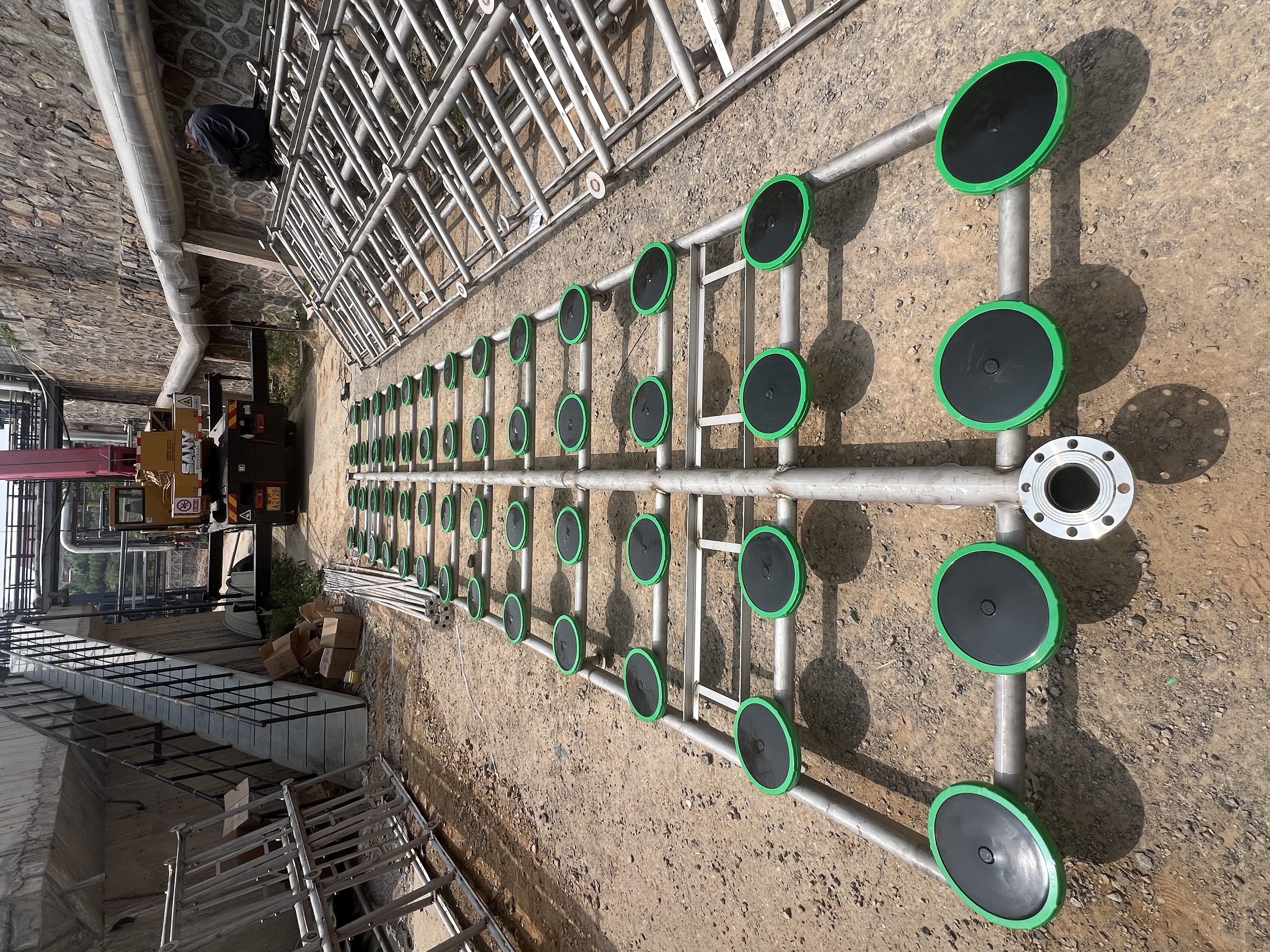
First, the core parameters are calculated based on the design documents: Firstly, oxygen demand is calculated by combining influent COD, BOD₅, ammonia nitrogen, and other indicators, and determining the total daily oxygen demand (kgO₂/d) according to the effluent quality requirements of the "Urban Wastewater Treatment Plant Pollutant Discharge Standard" through material balance. Secondly, the number of aeration discs is calculated based on the total air volume (converted from oxygen demand and oxygen transfer efficiency) and the design airflow per disc, using the formula: Number of aeration discs = Total air volume ÷ (Airflow per disc × Operating time). Thirdly, the layout density is determined by uniformly arranging the discs at a density of 0.8-1.2 discs/m² according to the aeration tank type, ensuring no dead zones in aeration.
2. Material and Model Matching
Determine the material based on the water quality test report: First, test the influent pH, oil content, suspended solids concentration, and corrosive ion content (such as Cl⁻, SO₄²⁻), and select suitable materials according to the material performance table; then determine the aeration disc model based on the process type, such as using elastic rubber for SBR processes and high-flow-rate for oxidation ditches; finally, determine the aeration range based on the operating load to ensure that the oxygen supply demand under maximum load is met.
3. Manufacturer Selection and Sample Verification
Select qualified, high-quality manufacturers: Prioritize manufacturers with ISO9001 quality system certification and environmental product certification, requiring them to provide application cases of similar water quality scenarios in the past 3 years (e.g., refinery application cases for treating oily wastewater); key processes require sample verification, taking 1-2 samples for immersion testing (72 hours for oily wastewater, 168 hours for acidic/alkaline wastewater), and testing the changes in micropore size and aeration performance after immersion. Simultaneously, conduct on-site small-scale tests to test oxygen transfer efficiency under simulated operating conditions to ensure compliance with design requirements.

IV. Selection Considerations: Risk Mitigation and Optimized Operation and Maintenance During the selection process, common pitfalls should be avoided, while also considering ease of installation and maintenance to reduce total lifecycle costs.
First, avoid blindly pursuing high parameters. Oxygen transfer efficiency is not always better the higher it is; excessively high efficiency leads to increased energy consumption. Reasonable parameters must be determined based on oxygen demand calculations. Second, prioritize installation compatibility. When selecting, confirm the connection method between the air diffuser and aeration pipes (e.g., flange connection, threaded connection) to ensure compatibility with existing piping systems and reduce modification costs. Third, focus on ease of operation and maintenance. Choose air diffusers that can be replaced online to avoid emptying the aeration tank during replacement. Also, request the manufacturer to provide specialized cleaning tools for regular cleaning of clogged micropores. Fourth, clarify warranty terms. The contract should clearly specify the warranty period (≥5 years for municipal sewage, ≥3 years for industrial wastewater), stipulating free replacement and repair responsibilities for damage or blockages within the warranty period.
In summary, the selection of flat-plate air diffusers requires a multi-dimensional balance of "performance compliance, material compatibility, operating condition matching, and ease of operation and maintenance." By accurately calculating basic parameters, scientifically matching material models, and rigorously screening and verifying manufacturers, the efficiency of aeration systems can be effectively improved, energy consumption and operation and maintenance costs can be reduced, and core guarantees can be provided for the stable operation of wastewater treatment processes.