- Home
- Products
- About Us
- Services & Support
- News
- Contact Us
The first step is always to clarify "why add chemicals" and "what chemicals to add," only then can you determine "what equipment to use."
I. Clarifying Chemical Dosing Requirements (Prerequisites and Foundations)
Chemical Types and Characteristics:
Flocculants/Coagulants: Such as PAC (Polyaluminum Chloride), PAM (Polyacrylamide). PAM is available in dry powder and emulsion forms.
Acids and Alkalis: Such as hydrochloric acid, sulfuric acid, sodium hydroxide. These are corrosive and require high-quality equipment materials.
Oxidizing Agents/Disinfectants: Such as sodium hypochlorite, hydrogen peroxide, ozone.
Carbon Sources/Nutrients: Such as sodium acetate, glucose, urea, ammonium dihydrogen phosphate. Usually solid or liquid, dissolution and anti-clogging considerations are necessary.
Other Specialty Chemicals: Such as defoamers, heavy metal scavengers, etc.
Purpose and Process Points for Chemical Dosing:
Pretreatment: pH adjustment, demulsification, adding flocculants to the primary sedimentation tank.
Biological Treatment: Supplementing carbon sources, nitrogen, and phosphorus. Precise dosage is required.

Deep treatment: Flocculation and sedimentation, filtration, disinfection (e.g., decolorization, sterilization).
Sludge treatment: Sludge conditioning (adding PAM). High reagent concentration, high viscosity.
Key operating parameters: Dosage range, dosing accuracy requirements, working pressure, reagent concentration.
II. Components and Selection Considerations of Dosing Systems
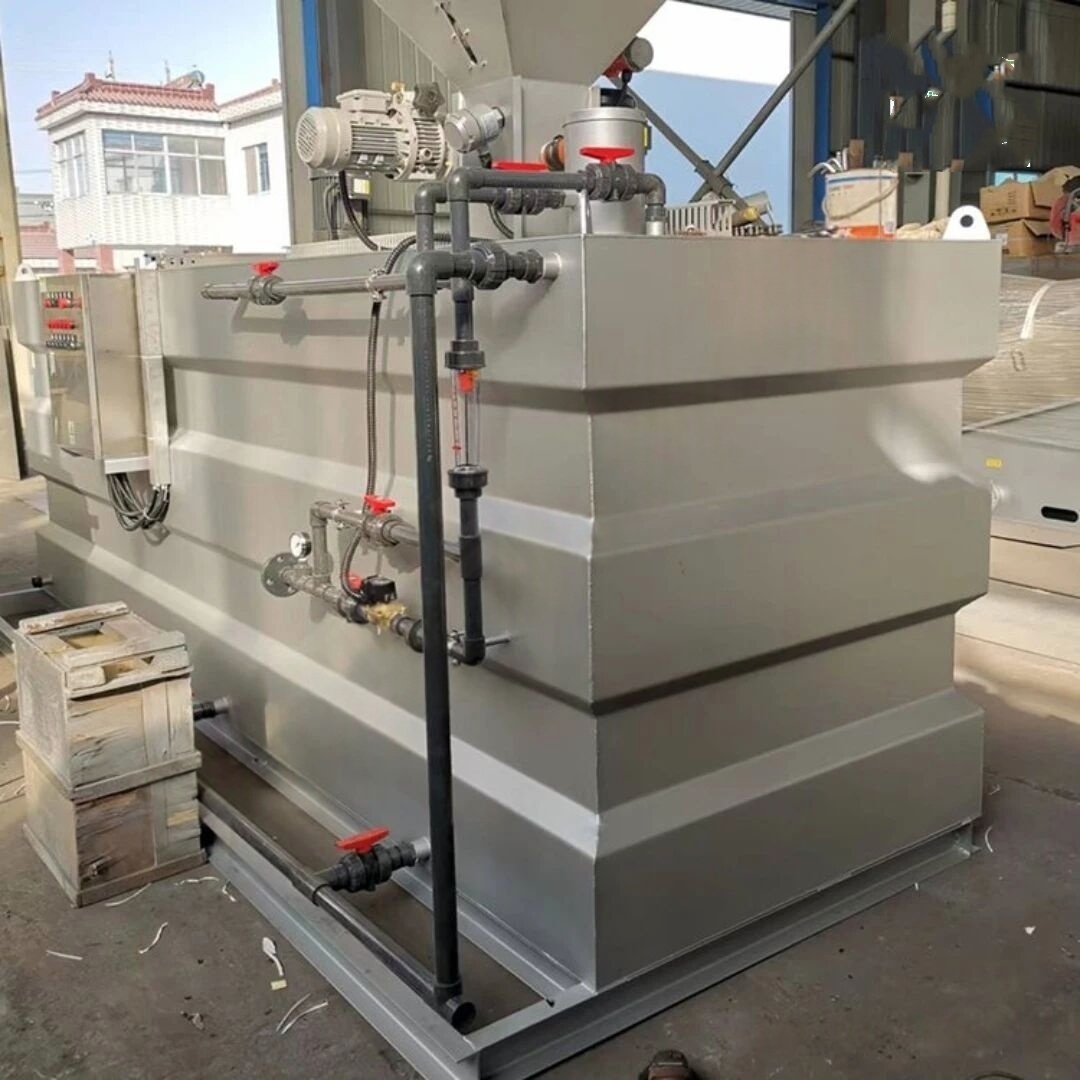
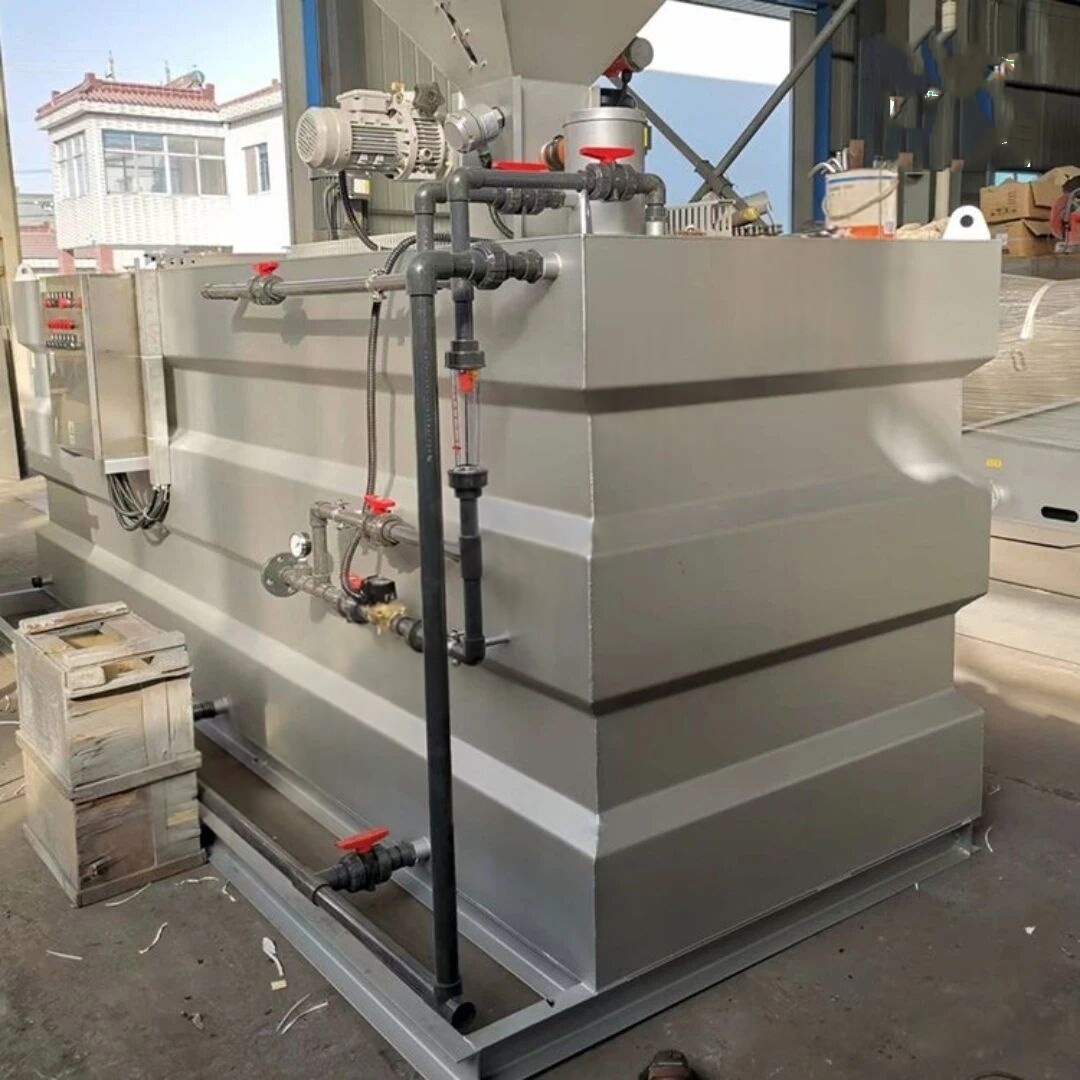
A complete dosing system typically includes: solution tank (chemical tank), metering pump, agitator, pipeline valves, safety devices, and control system.
1. Solution Tank (Chemical Tank)
Material:
PE (Polyethylene): Economical, resistant to most acids, alkalis, and salts, the most common choice.
FRP (Fiberglass Reinforced Plastic): Good corrosion resistance, high strength, suitable for large storage tanks.
PVC (Polyvinyl Chloride): Resistant to acids and alkalis, but poor temperature resistance.
Stainless Steel (e.g., 304, 316L): Mainly used in applications with strict requirements for metal ions or special reagent properties. Note: Sodium hypochlorite, hydrochloric acid, etc., can corrode stainless steel; choose carefully.
Volume: Determined based on daily drug consumption and preparation frequency. Generally, it should meet the needs for 4-24 hours of use; avoid overly frequent preparations.
2. Metering Pump (Core Component)
Type Selection: Mechanical diaphragm pump, hydraulic diaphragm pump, peristaltic pump, screw pump.
Key Parameters: Flow rate, pressure, pump head material
3. Agitator
Purpose: To ensure uniform mixing of the drug and prevent sedimentation.
Type: Top-mounted agitator, magnetic stirrer/side stirrer.
Selection Points: Select appropriate power and speed based on the solution tank volume and drug viscosity.
4. Piping, Valves, and Accessories
Pipeline Material: Should be compatible with the solution tank material; commonly used materials include UPVC, PE, and PP.
Key Accessories: Safety valve/pressure relief valve, back pressure valve, pulse damper, Y-type filter, level gauge/level switch
5. Control System (“Brain”)
This is crucial for achieving “intelligent” and “normal” operation.
Manual start/stop, automatic control, timing control, flow proportional control, parameter feedback control, phosphorus removal control